
Thumbsucker at 20 | The sadboy's Dark Knight?
A reflection on Mike Mills' debut feature, including an exploration of how a finished Elliot Smith soundtrack could have cemented the film's position as a staple for sadboy cinephiles.
A story of an anxious teenage boy, going through a diagnosis of ADHD, who falls in love with a classmate who is a keen environmentalist - all while being coached through it by an unqualified older male offering unsolicited advice. No, this is not a scene from the rebooted version of Educating Yorkshire or Amazon Prime’s attempt to rip off Adolescence; this is a description of Mike Mills’ 2005 sleeper indie film Thumbsucker. So, with a plot that reads as though it is a reactionary piece to the state of the world that young people are growing up in today, and a cast that features the likes of Keanu Reeves and Tilda Swinton who are still pulling in audiences from across the globe: why oh why does this 20-year-old film fail to register in conversations around favourites for the cinephiles of today?
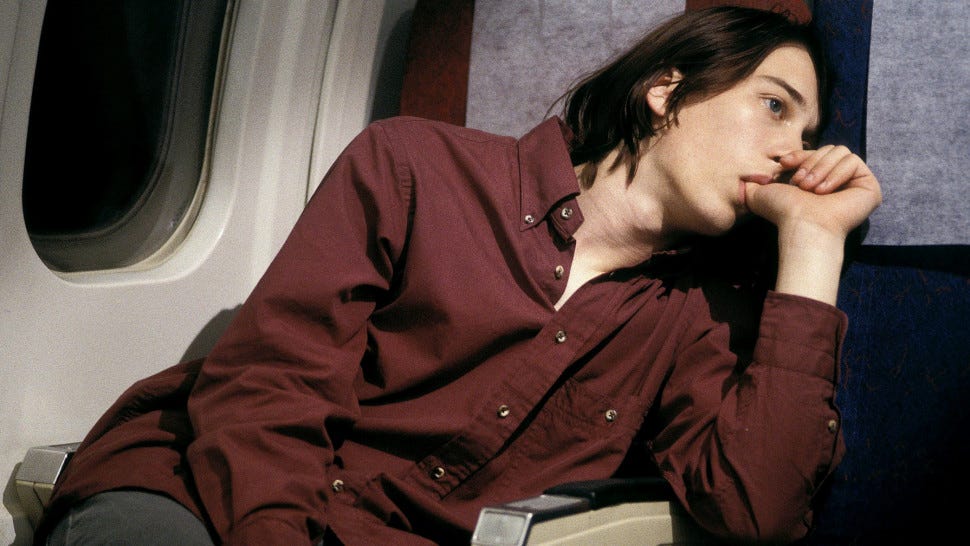
Watching the film in 2025, to celebrate its 20th Anniversary, it is quite easy to sit and draw comparisons with subsequently released coming-of-age films, but there are two that really spring to mind that Thumbsucker feels as though it laid the groundwork for, the first being Little Miss Sunshine. The odd-squad dynamic is somewhat reminiscent of The Breakfast Club, but given the balance of adults and teens it feels more akin to Little Miss Sunshine. Throw in a road trip involving a vaguely irresponsible bit of adult decision-making in the middle of it, and the comparisons continue. The film’s distinct independent aesthetic, dealing with the beautiful nature of the Oregon area and combining it with a deeply authentic, character-driven narrative is consistently at its core and is hypnotising from beginning to end.
The second similar film that comes to mind is Lady Bird. By the end of both films, our protagonist has made a decision to leave the west coast and head to New York City for college. There is something to be aspired to in New York, particularly on screen with a rich legacy of films set and shot here - it is no wonder that it is a quite typical goal for protagonists in coming of age films, which allow their directors an opportunity to fulfil their teenage dreams. Removed, however, from the feel-good and high-concept nature of ‘80s coming of age films by the likes of John Hughes, in these independent coming of age films this decision is not universally celebrated. The idea of moving to the big city is a shock, leaving behind the comforts of the small pond that they were raised in - our two protagonists rock the boat and upset parents along the way, but ultimately these are two films about teenagers who are ready to fly the coop - a theme that will maintain universality almost forever.
These comparisons are not sought to dumb down the plot of the film, but rather to further evidence why I feel the question needs to be asked about why this film is not spoken about more widely. Given Mills’ subsequent success, ultimately building towards Oscar-winner C’mon C’mon, it is bizarre that this film has not been given a retrospective re-release. Then, when you consider the permanent relatability of the subject matter, a beautiful Oregon backdrop that was also tapped into regularly by the wonderful Kelly Reichardt, and it really raises the question even louder. Granted, the film lacks some of the defining features of Mills’ work, such as the combination of documentary and fiction, and is one of the few films in his filmography that doesn’t tap into his own personal story, but that doesn’t necessarily detract from its quality - it simply sets it apart within Mike Mills’ Filmography.
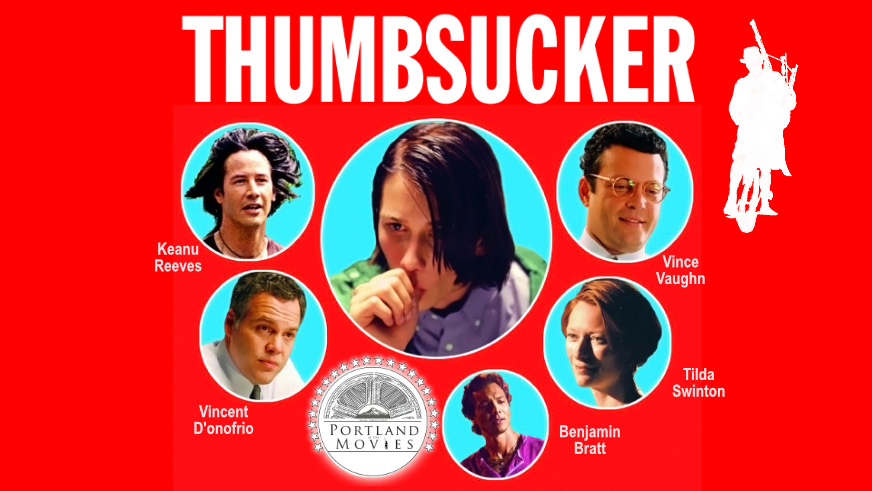
The film features Keanu Reeves, fresh off the back of the original Matrix trilogy; Vince Vaughn was at the height of his comedic fame having just released Old School, Dodgeball and Wedding Crashers; Tilda Swinton who had begun her journey from Jarman muse to industry-appreciated powerhouse with a number of nominations from major awards to her name. With this kind of star power under its belt, the film should have been a surefire box office success, but Mills said in an interview with The Guardian at the time that he felt the film was unmarketable. The exact reasons he gives in this interview are the lack of nuanced understanding of family dynamics, in the US in particular, leading to this being a film that is branded as “quirky” or “independent” and is left in that box for the cinephiles, and the cinephiles alone. With hindsight, and with access to the internet having educated everyone on diagnoses and basic self-help, perhaps characters like Reeves’ dentist-come-therapist are actually much more ready for the masses to find relatable 20 years along the line. Could it be that this was a film before its time worthy of being revisited and worthy of a re-release?
One element of the film that was promised during production, but never came into fruition, was the original soundtrack. This is something, I hypothesise, that would have cemented the film’s status as a talking point for generations and would have made it much more marketable at the time. While the eventual soundtrack featured three songs made by him, Mills’ original plan was to have the entire soundtrack made by Elliot Smith. Already held in god status by many fans of sad acoustic music, Smith would have added a touch of the marketability that Mills felt was missing. He had already been nominated for an Academy Award for his work on Good Will Hunting, and his withdrawn, haunting vocal performance would have complimented the independent coming of age film that Mills was producing incredibly well.
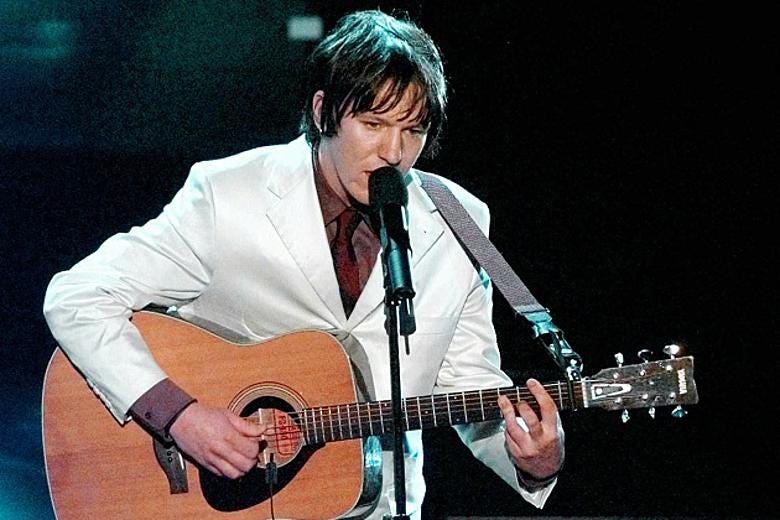
The three songs that Smith did contribute to the soundtrack are undeniably the strongest, elevating the tone of the film. However, it is not just the soundtrack itself that would have made the film marketable, but also the untimely manner of his death. With the film shot in 2003, the same year as Smith’s death, there is a chance - the cynic in me says - that a studio could have capitalised on this for helping to sell the film. A master’s final work played out as the soundtrack to a film that echoes so many themes of his personal life, the presence of an Elliot Smith soundtrack could have turned this film into the Sad Boy equivalent of The Dark Knight. Both films, good in their own right, had a right to be successful without the unfortunate death of some of their major contributors - but where Heath Ledger’s passing solidified the lore around The Dark Knight, Thumbsucker did not benefit in quite the same way from Smith’s death.
Cynicism around promotion aside, a Smith soundtrack would have helped underscore the key emotional beats of the film - no doubt aided by the fact that as someone who struggled with his own ADHD while living in Oregon, he would have had a close personal attachment to the narrative of the film. However, with or without this soundtrack, I do feel like as the world has changed to except stories that were potentially seen as ‘strange’ or ‘atypical’ as more of the societal norm - perhaps it is time for the world to see Thumbsucker given a second chance to get itself the audience it deserves.